
Even in a strong market, you can’t assume buyers will overlook weak marketing. An asking price above comparable sales, blurry photos, or a vague description can make buyers dismiss your property before they book a showing. You can improve your chances by pricing accurately, presenting the home clearly, promoting it where your buyers are looking, and following up promptly. But one common mistake can undermine all those efforts before your listing gains traction.
Key Takeaways
- Overpricing your property can deter serious buyers, reduce competition, and make a listing seem stale.
- Blurry or poorly lit photos make it harder for buyers to assess your home and may discourage viewings.
- Vague or exaggerated descriptions weaken trust; provide accurate details about features, upgrades, and limitations.
- Promoting on unsuitable channels or targeting the wrong audience can waste exposure and miss qualified buyers.
- Restricting showings or delaying responses can cost you interested prospects; offer flexible times and follow up promptly.
Avoid Pricing Your Property Above the Market
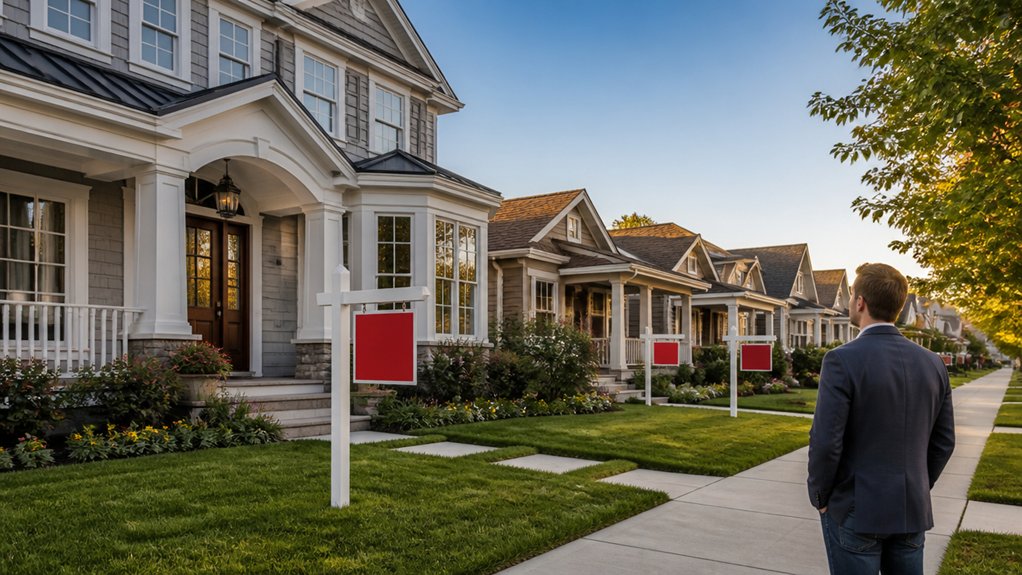
Pricing your property above the market can drive away serious buyers before they even book a viewing. An inflated asking price can make your home seem less competitive, causing buyers to skip it or wait for a reduction.
You may also lose valuable momentum: the longer your property sits unsold, the more buyers may wonder whether something’s wrong.
Build your Pricing strategy on a thorough Market analysis, not on your preferred sale price or a neighbor’s asking price. Compare recent sales of similar properties, account for differences in condition and location, and consider current demand.
A local real estate professional can help you interpret the data and set a realistic range.
Price strategically from the start, and you’ll attract qualified buyers, encourage stronger interest, and improve your chances of receiving timely, credible offers.
Fix Blurry Photos Before You List
Even at the right price, your listing can lose buyers’ attention if its photos look blurry. Clear images help people assess rooms, notice appealing features, and decide whether to schedule a viewing. If your photos appear soft, dark, or grainy, buyers may assume you’ve overlooked property upkeep—or simply scroll past.
Improve Photo clarity before you publish. Clean your camera lens, use a tripod, and shoot in bright natural light. Keep the camera steady, tap to focus, and avoid digital zoom, which can reduce image quality. Review every photo at full size; a small preview can hide blur and distracting details.
Retake any image that doesn’t show the space sharply.
If your equipment or results aren’t reliable, hire a real estate photographer. Professional images can present your property at its best and encourage more qualified buyers to take the next step.
Write an Accurate, Specific Property Description
A vague or exaggerated property description can weaken buyer trust and leave strong features unnoticed. Describe your home with precise, verifiable details, including room dimensions, recent upgrades, storage, and outdoor features.
Instead of calling a kitchen “stunning,” note its stone counters, updated appliances, or natural light. Specifics help buyers picture how the property fits their needs and support the impression your photos create.
Be transparent about limitations, too. Don’t imply that a finished basement is permitted living space or claim an appliance is new if it isn’t.
If you use Virtual staging, identify digitally added furnishings so buyers understand what they’ll actually see.
Mention Curb appeal through concrete details, such as mature trees, a new walkway, or a welcoming porch.
Accurate, thoughtful wording builds confidence and encourages qualified buyers to take your listing seriously.
Promote Your Property Where Buyers Look
To reach serious buyers, promote your property on the channels they already use. Don’t rely on a single listing site or assume buyers will find your advertisement on their own. Choose platforms that match your audience and present consistent, accurate details everywhere.
- Listing portals: Use high-traffic real estate sites, with clear photos, pricing, and essential features.
- Targeted advertising: Focus paid campaigns on buyers by location, budget, and relevant interests.
- Social media outreach: Share polished posts through local groups and your own networks, and encourage others to pass them along.
Track which channels generate meaningful inquiries, then adjust your approach.
A broad reach matters, but relevance matters more: place your property in front of people who can afford it and are actively searching.
Coordinated promotion builds visibility and helps your listing stand out in a crowded market.
Make Showings Easy and Follow Up Promptly
Once your promotion attracts interested buyers, make it easy for them to see the property. Offer flexible showing times, including evenings or weekends, and respond quickly to viewing requests. Delays can give buyers time to pursue competing homes.
Keep the property clean, well-lit, and ready to show, using effective staging techniques to help visitors picture themselves living there. If buyers can’t attend in person, provide high-quality Virtual tours so they can explore the layout and features remotely.
After each showing, follow up promptly with the buyer or their agent. Ask what stood out, address concerns with accurate information, and invite questions without applying pressure.
This feedback can reveal obstacles you can fix before the next visit. A smooth, responsive process keeps buyers engaged, strengthens their impression of your property, and increases the chance that interest becomes an offer.
Leave a Reply