
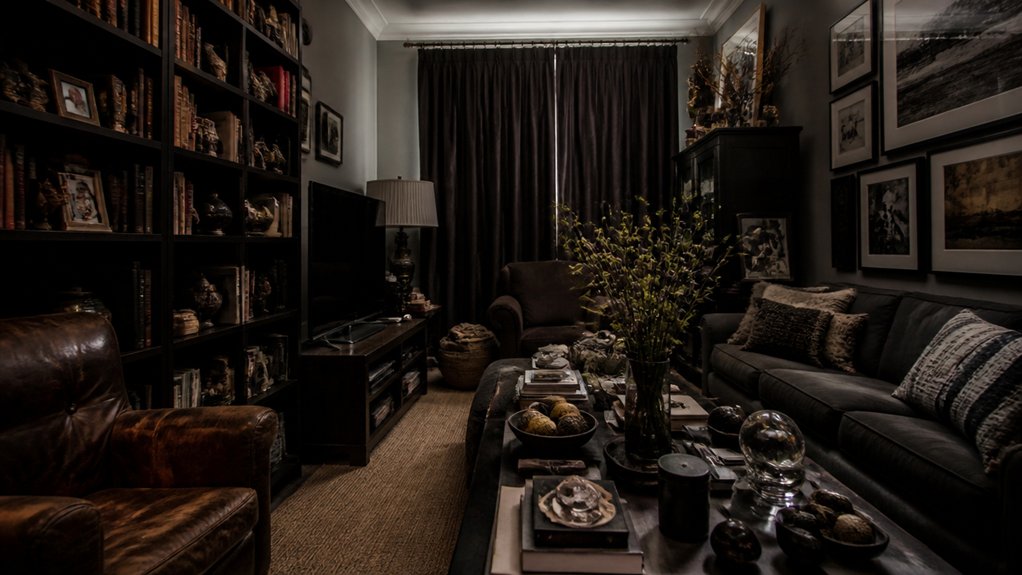
Your home can feel cramped even when its rooms have plenty of square footage. Oversized furniture, dim lighting, clutter, and strong color contrasts can shrink the sense of space and make everyday movement less comfortable. The fix isn’t always a renovation or new furniture; thoughtful changes to placement, lighting, and room flow can make a noticeable difference. Start by spotting the design choices that may be working against you.
Key Takeaways
- Overcrowding rooms with oversized or poorly arranged furniture can make them feel cramped and block clear pathways.
- Blocking windows or using heavy curtains reduces natural light, making spaces feel darker and smaller.
- Leaving clutter on floors, counters, and tables creates visual noise and shrinks the sense of usable space.
- Using dark colors, strong contrasts, or inconsistent palettes can make rooms feel enclosed and disconnected.
- Obstructing doorways and sightlines with furniture or tall décor disrupts flow and makes rooms seem smaller.
Arrange Furniture to Open Up Your Room
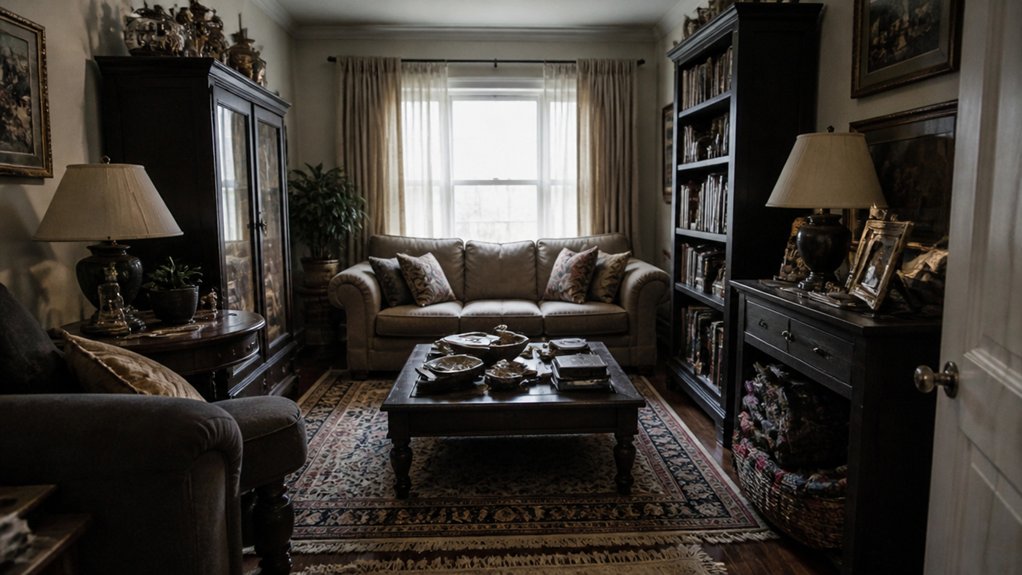
Does your room feel cramped even when it isn’t full? Poor furniture placement can make even a spacious home feel crowded. Start by identifying the room’s main purpose, then arrange seating and tables to support how you use it.
Pull pieces away from doorways and keep clear paths between entrances, windows, and high-use areas. This simple spatial arrangement helps you move comfortably and makes the layout easier to understand.
Choose furniture that fits the room rather than filling every available corner. If a bulky sofa dominates, consider a slimmer profile or a compact sectional; compare dimensions before buying, since returns and replacements can add cost.
Use fewer, appropriately scaled pieces, and avoid pushing everything against the walls if that leaves an awkward empty center. Test different layouts before committing, and keep surfaces uncluttered to preserve a sense of openness.
Brighten Rooms With Better Lighting
Poor lighting can make a well-arranged room feel smaller and less inviting. Layered illumination helps you define zones, soften shadows, and make finishes look their best—an advantage when you’re preparing a home for sale or simply improving daily comfort.
Use these four practical strategies:
- Maximize natural sunlight: Keep window treatments light and adjustable so daylight reaches farther into the room.
- Layer lighting fixtures: Combine ambient, task, and accent sources instead of relying on one overhead light.
- Choose bulbs carefully: Warm-white bulbs create a welcoming mood, while brighter, cooler options suit focused work areas.
- Direct light strategically: Aim lamps toward walls or ceilings to spread illumination and visually lift low, dim corners.
Match fixture scale to your room, and use dimmers to adapt brightness throughout the day. Good lighting makes compact spaces feel more open without costly renovations.
Clear Clutter to Make Your Home Feel Bigger
Clutter can make rooms feel smaller and distract buyers from a home’s best features. Clear countertops, tabletops, and floors so each room’s layout reads easily. Put away personal items, excess accessories, and anything you don’t use regularly. Buyers need to picture their own belongings in the space, not navigate yours.
Use Decorative storage, such as baskets or lidded boxes, to contain everyday essentials without leaving them in view. Choose pieces that fit the room and serve a purpose; oversized cabinets can make tight areas feel crowded.
Edit shelves and display surfaces, keeping only a few meaningful objects. Minimalist decor doesn’t mean stripping a home of character—it means giving focal points room to stand out.
Before showings, reset each room and clear walkways. A tidy, functional home feels easier to maintain and more appealing to buyers.
Choose Colors That Make Rooms Feel Spacious
Color can change how spacious a room feels, which matters when buyers are judging a home at a glance. Use color psychology to create a calm, cohesive impression, and choose paint techniques that make your rooms feel brighter without demanding a costly renovation.
- Favor light neutrals: Soft whites, warm grays, and pale beiges reflect light and help rooms feel open. Test samples in daylight and evening light before committing.
- Limit strong contrasts: Too many competing colors can make a room feel visually busy. Keep walls, trim, and larger furnishings within a coordinated palette.
- Use color consistently: Carry a few related shades through connected rooms to create a sense of continuity. Buyers may find the home easier to imagine as a whole.
- Choose finishes thoughtfully: Satin or eggshell paint can reflect more light than flat finishes, while still offering a practical, polished look for everyday living.
Improve Room Flow and Open Up Sightlines
When buyers move through a home, clear pathways and open sightlines help rooms feel larger and more connected. Review your floor plan and remove furniture that blocks doorways, windows, or natural routes between spaces. Choose appropriately scaled pieces, then arrange them to guide movement rather than interrupt it.
You don’t need to remove every partition; instead, consider whether a bulky cabinet or misplaced sofa creates an unnecessary visual barrier.
Create visual continuity by repeating finishes, colors, or materials across adjoining rooms. Keep window treatments simple, and avoid tall décor that cuts across views.
If you’re preparing to sell, these adjustments can help buyers understand how rooms connect and imagine using the space. A more open layout may also make your home’s existing square footage feel more functional, without costly renovations or structural changes.
Leave a Reply