
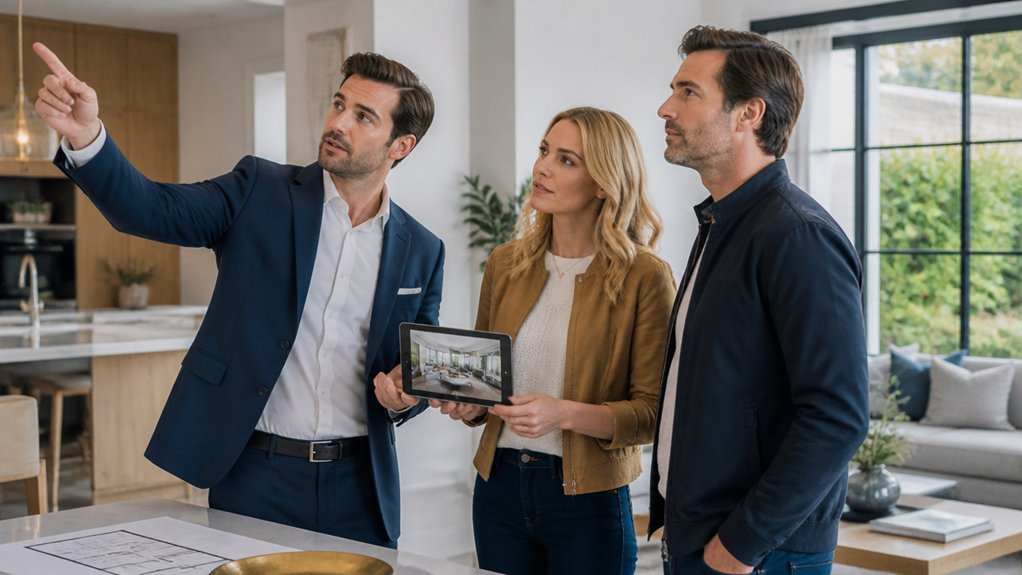
A well-priced home is like a well-placed bid at auction: it draws serious attention before the competition moves on. To attract qualified buyers, you’ll need more than a listing—you’ll need a clear pricing strategy, thoughtful staging, compelling visuals, and promotion aimed at the right audience. Each choice can strengthen buyer confidence and help turn interest into offers. But one overlooked step can weaken even the strongest campaign.
Key Takeaways
- Price competitively using recent sales, active listings, and buyer demand—not a single nearby sale.
- Prepare the property by completing essential repairs, decluttering, and staging it to feel polished and move-in ready.
- Use professional photography, virtual tours, and accurate listing copy to showcase the property’s strongest features.
- Promote the listing on relevant platforms and social channels, targeting likely buyers with tailored messaging.
- Offer flexible showings, respond promptly, and review buyer feedback and engagement to refine your marketing.
Plan How to Market and Price Your Property
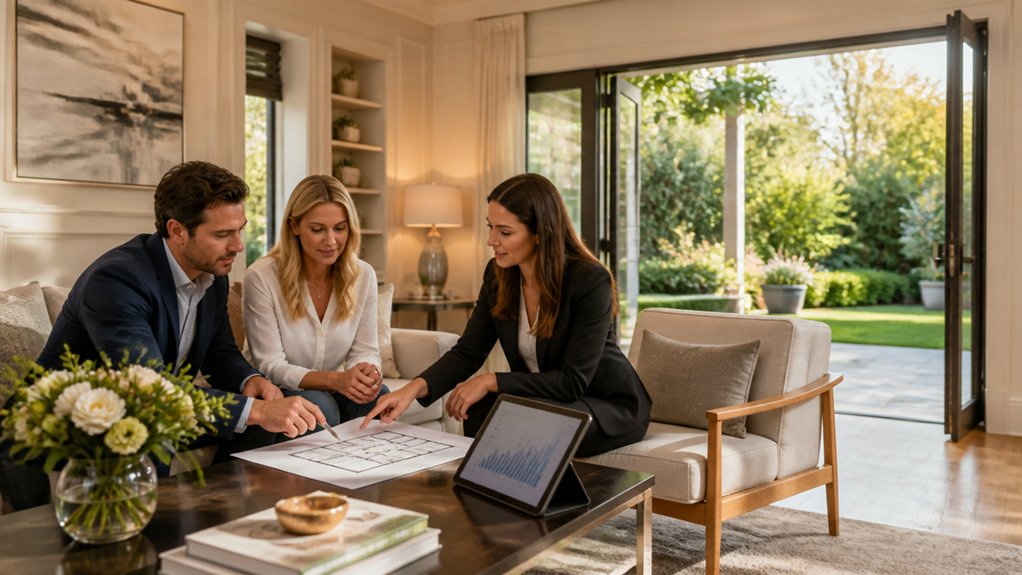
Before listing your property, decide how you’ll reach the right buyers and what price will make them act. Start with Pricing analytics: compare recent sales, active listings, and buyer demand in your area. Use those insights to set a competitive asking price that supports your goals without discouraging serious offers. Don’t rely on a neighbor’s sale alone; differences in location, timing, and property features can shift value.
Next, apply Market segmentation to identify likely buyers, such as first-time purchasers, investors, or relocating professionals. Tailor your message and choose channels they use, from major listing platforms to targeted social media and local networks. Highlight the benefits that matter most to each audience, and keep your information consistent across every channel.
Review inquiries and showing activity regularly; if interest lags, adjust your pricing or outreach strategy promptly.
Stage and Repair Your Home Before Listing
A well-presented home helps buyers picture themselves living there and can strengthen your position in a competitive market. Before listing, walk through your property as a buyer would. Note scuffed walls, sticky doors, dripping taps, and other visible issues that could raise concerns or invite lower offers.
Prioritize Home repairs that protect safety and function, then address small cosmetic flaws for a cared-for impression.
Use Staging techniques to make each room feel spacious, purposeful, and welcoming. Clear clutter, remove personal items, and arrange furniture to highlight natural light and useful features. You don’t need a full renovation or expensive furnishings; thoughtful edits often deliver more value than major upgrades.
If you’re unsure where to invest, ask your agent which improvements local buyers notice most. A polished, move-in-ready feel can help your asking price stand up to scrutiny.
Create Photos, Video, and Listing Copy
Strong listing materials turn your home’s best features into buyer interest. Hire a skilled photographer to capture bright, balanced images that show each room’s scale, flow, and condition. Clear counters, open curtains, and switch on lights before the shoot so your spaces look inviting and true to life.
Add a polished video or Virtual tours to help buyers understand the layout before they visit. If your property’s setting, acreage, or outdoor amenities matter, consider Drone footage that provides useful context without distracting from the home.
Write listing copy that leads with meaningful advantages, not a string of generic claims. Name standout features, explain practical benefits, and use accurate details about renovations, dimensions, and included items. Your honest, compelling presentation helps serious buyers picture themselves there and arrive with informed expectations.
Choose Listing Sites and Targeted Promotion
Choose listing sites that put your home in front of the buyers most likely to value it. Pair broad real estate platforms with local channels that reach people searching in your neighborhood or price range. Then target promotion to highlight your property’s strongest selling points without wasting budget on a general audience.
- Ask your agent which listing networks attract qualified buyers in your market, and confirm your home will appear where those buyers search.
- Use Virtual tours to help remote and time-conscious shoppers understand the layout and assess whether the home fits their needs.
- Share polished listing content through Social media, tailoring captions and audience settings to likely buyers.
- Consider paid promotion for high-intent search terms or relevant local demographics, and track clicks, saves, and inquiries to refine your reach.
Choose channels that deliver meaningful exposure, not just impressions.
Schedule Showings That Convert Buyer Interest
Once your listing attracts interest, make it easy for qualified buyers to see the home while it’s fresh in their minds. Offer flexible showing times, including evenings and weekends, and respond promptly to requests. A smooth booking process signals professionalism and helps prevent motivated prospects from moving on to another property.
Use Virtual tours to engage out-of-town buyers and let busy shoppers preview the layout before committing to an in-person visit. Pair them with accurate details so expectations match what buyers see onsite.
Schedule Open houses strategically, promoting them in advance and choosing times that suit local buyer patterns. Prepare the property, provide clear access instructions, and gather feedback after each visit. When you remove scheduling friction and make every viewing informative, you turn curiosity into serious offers.
Leave a Reply