
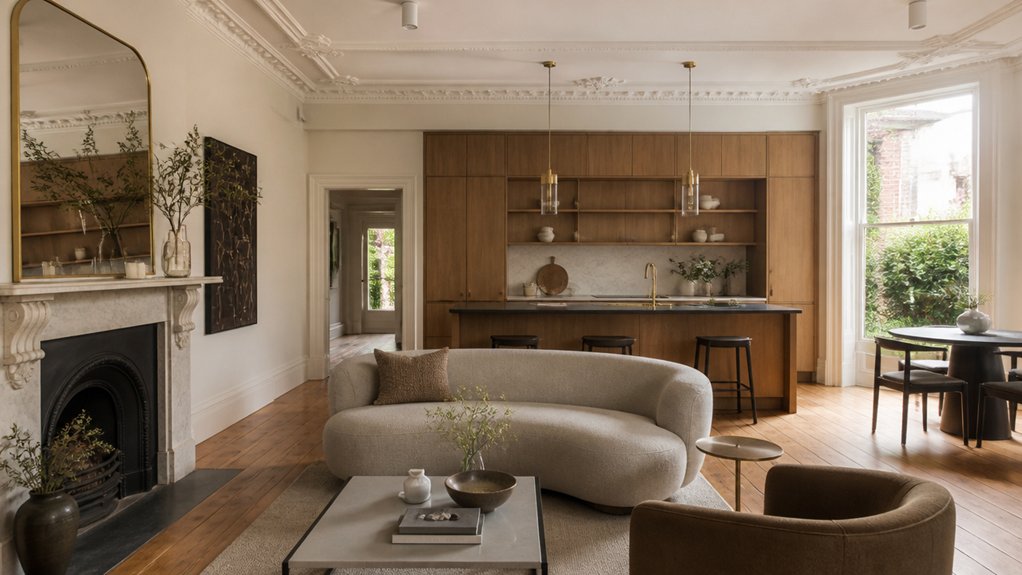
A period home can feel draughty and awkward without losing the details that make it worth preserving. Before you renovate, you’ll need to understand which features are original, where the building needs repair, and how discreet upgrades can improve daily comfort. We modernised one property by balancing structural care, better heating and insulation, and a more practical layout—but the choices that kept its character intact began with a closer assessment.
Key Takeaways
- Survey the structure, historic alterations, and permissions before planning work or setting a realistic budget.
- Repair original timber, plaster, and architectural details with materials and methods suited to the period.
- Improve circulation and storage through discreet layout changes that preserve defining features.
- Upgrade comfort with draught-proofing, breathable insulation, and efficient heating tailored to the building.
- Choose era-appropriate finishes and discreet modern systems that complement the home’s character.
Assess Your Period Property Before Renovating
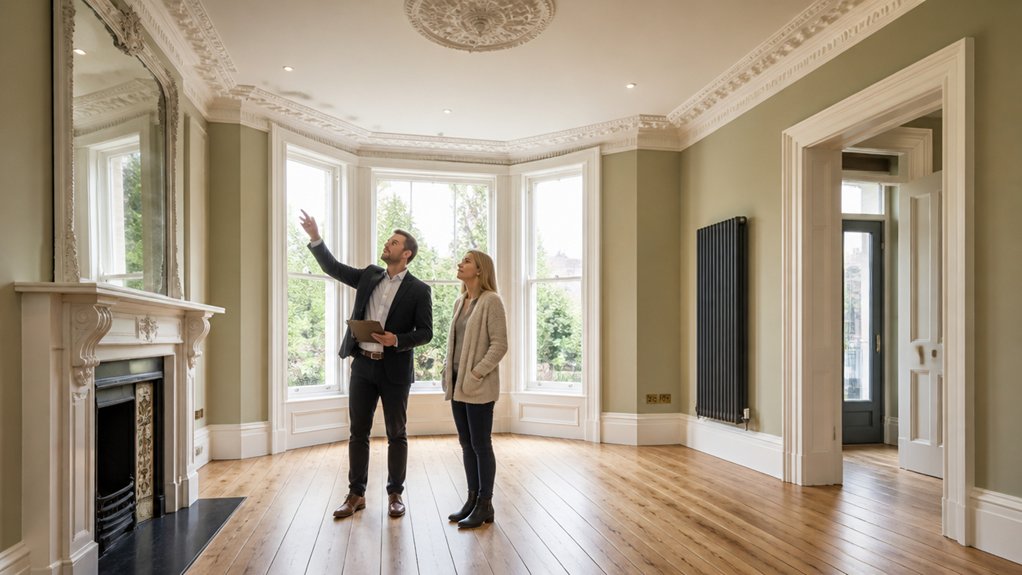
Before planning any changes, assess your property’s structure, condition and original features. Start with a thorough survey by a qualified building professional who understands period homes. Ask them to check foundations, walls, roof timbers, floors, drainage and signs of damp or movement. This assessment helps you address safety concerns before they become costly problems.
Next, review the property’s age, construction methods and previous alterations. Look for planning records, old photographs and details that can clarify its history. If your home is listed or lies in a conservation area, confirm which permissions apply before you develop plans.
Historical accuracy matters, but so does meeting current standards.
Use the findings to set priorities and a realistic budget. Protect Structural integrity first, then plan upgrades around the building’s limitations. A clear baseline helps you make informed decisions and avoid unsuitable work.
Restore the Features That Give It Character
Once you’ve addressed structural concerns, turn to the original details that give your home its character. Inspect surviving features carefully before deciding what to repair or replace. Choose Restoration techniques suited to each material, and prioritise Historical accuracy over a flawless, uniform finish.
- Woodwork: Strip paint cautiously from doors, skirting boards and staircases. Repair damaged sections with matching timber.
- Plaster: Stabilise decorative mouldings and use compatible lime plaster for repairs, rather than hard modern fillers.
- Floors: Lift boards carefully, label them, then refit and patch with reclaimed timber where needed.
- Fireplaces: Clean original tiles and surrounds gently. Replace missing pieces with period-appropriate matches.
Keep records of discoveries and repairs. If a feature’s age or material is uncertain, consult a conservation specialist before work begins.
Careful repairs preserve evidence of the home’s history while making its details last.
Update the Layout, Keep Its Character
With the original features assessed, consider how the layout can better suit modern life without erasing the home’s character. Identify where you need clearer circulation, more useful storage or a stronger connection between rooms. You don’t have to remove every wall: widening a doorway or adding a discreet opening can improve flow while preserving original joinery and room proportions.
Plan each space around how you’ll use it, and keep period details visible where they add value. Built-in cabinetry can provide practical storage without crowding a room, while carefully chosen finishes help new work sit comfortably beside older features. Interior lighting can define zones and highlight architectural details without relying on prominent fittings.
Consider views to exterior landscaping, too; a well-placed window or glazed door can bring the garden into daily life and strengthen the home’s sense of place.
Improve Heating and Insulation in a Period Home
Improving comfort in a period home starts with understanding how heat moves through it. Check for draughts, cold spots and uneven temperatures before choosing upgrades. You can improve efficiency without compromising historic fabric by tackling the biggest sources of heat loss first:
- Seal gaps around doors, windows and floorboards with suitable, reversible materials.
- Insulate the loft and accessible floors, keeping ventilation clear to manage moisture.
- Ask a specialist to assess solid walls; choose Eco friendly materials that suit the building’s breathability.
- Balance radiators, service your boiler and use Smart thermostats to control heating room by room.
Make changes gradually, then monitor comfort and energy use. If your home has damp or listed features, consult a conservation professional before insulating.
A tailored plan helps you stay warm, protect the structure and avoid unnecessary expense.
Choose Era-Appropriate Finishes and Modern Comforts
Era-appropriate finishes can preserve a period home’s character while discreetly accommodating modern life. Start by identifying original details worth retaining, such as cornices, floorboards, fireplaces, and door furniture. Match replacements to the property’s age and architecture rather than choosing features solely for convenience.
In a Victorian home, Victorian fixtures can add authenticity; look for well-made taps, lighting, and hardware with period proportions. For Georgian rooms, consider Georgian color palettes, including muted greens, blues, and warm neutrals. Test paint samples in changing daylight before committing, since room orientation affects how colors appear.
You don’t need to sacrifice comfort for historical accuracy. Pair traditional finishes with discreet underfloor heating, efficient lighting, and modern controls. Choose durable materials that suit the home’s use, and check compatibility with existing surfaces.
A thoughtful balance lets you enjoy practical upgrades without making original features feel out of place.
Leave a Reply